Trees frame a property like a good sentence frames a thought. When they are healthy and well sited, they add value, soften hard edges, and shelter wildlife. When they are diseased, storm-damaged, or simply in the wrong place, they can drag down kerb appeal and raise the risk profile of your home. Knowing when to prune, when to retain, and when to remove is part horticulture, part building pathology, and part public safety. If you are weighing up tree felling near me or browsing for tree removal services near me, it helps to understand what professionals look for, how decisions are made, and what the work genuinely involves on site.
Why people search for local tree felling
Most enquiries I receive fall into four patterns. A homeowner has noticed a structural defect in a tree and is anxious about it coming down in a storm. A buyer wants to smarten the frontage to lift a valuation before putting the house on the market. A neighbour dispute has surfaced over light, leaves or boundary encroachment. Or the local authority has served notice after a survey flagged subsidence risk linked to roots. Each situation has different drivers, timelines, and outcomes, yet they all converge on the same questions: is removal necessary, is it lawful, and what will it cost in money and disruption?
Curb, or kerb, appeal is the immediate visual impression a property makes from the street. Estate agents will quietly confirm that first impressions translate into offers. Overgrown conifers along a front boundary can shrink the perceived width of a plot. A dense crown that dips toward a roofline makes a house look tired. Conversely, a properly balanced canopy lifts the eye and draws attention to architectural features. Tree removal, or more often a reduction and re-shape, can transform sightlines and daylight within a single day.
Safety is non-negotiable. The UK sees thousands of garden-related injuries annually, and tree work has its share of the dangerous slice. A mature oak limb can weigh half a tonne; a hung-up branch like that is not a DIY moment. When storms hit with 60 mph gusts, compromised unions, old bracket fungi at the base, or cavities from historic wounds can fail without warning. People often search tree removal near me in a panic after a crack sounds at night or a branch strikes a conservatory. The right response is calm triage, not hurried cuts.
What a competent arborist actually looks for
Tree decisions should be evidence-led. A good arborist starts with a walk-around and looks at several zones: ground, trunk, and crown. At ground level, the signs that raise eyebrows include heave or lifting on the windward side, fresh cracks in the soil after wind, and mycelial mats or fruiting bodies such as honey fungus around the buttress roots. Kretzschmaria deusta on beech and ash is a classic risk marker; it degrades wood at the base, often without dramatic external signs until failure is imminent.
On the trunk, longitudinal cracks, included bark at co-dominant stems, and old pruning wounds that never callused properly merit close attention. A resistograph or a simple sounding mallet tells you a lot. Hollowing does not mean automatic removal, but decay at critical load-bearing points certainly changes the calculus. Ivy is not a sin in itself, but heavy ivy can hide defects, so a partial strip may be essential for inspection.
In the crown, deadwood is normal in older trees, though extensive dieback across the outer canopy suggests systemic issues. Ash dieback remains a significant factor. In many parts of the UK, ash trees under stress decline quickly, and their timber becomes brittle, making climbing hazardous. That changes technique and often forces the choice of a mobile elevated work platform rather than rope-and-harness.
A professional will also refer to the site context. Wind loading is not theoretical; houses, fences and neighbouring trees create turbulence. Exposure in a ridge-top garden is different from a sheltered urban courtyard. Soil type matters too. London clay behaves differently from chalk, particularly for subsidence risk with thirsty species such as willow, ash, and poplar. The decision to recommend tree removal services is rarely made on a single symptom. It is a synthesis of condition, species characteristics, site exposure, and the owner’s aims.
Removal or retention: the judgement call
Tree felling is final. Before you instruct tree removal services, consider whether one of several alternatives meets your goals with less impact. Crown reduction, crown lifting, and deadwooding often resolve light and clearance issues. A 20 percent volume reduction carried out with sympathetic cuts to appropriate growth points can reduce sail effect in wind and give you several seasons of clearance from a roof or gutter. That said, not every species tolerates reduction well. Sweet chestnut reacts with strong epicormic growth. Beech resents hard cuts and may suffer from sunscald. Pollarding suits plane and lime but looks brutal and requires a maintenance cycle.
Where structural defects exist, installation of non-invasive bracing in the canopy can extend the life of a veteran specimen while managing risk. If the defect lies at the base or the decay is advanced, bracing is not a cure. Similarly, cable bracing does not remove the need for regular inspection. For trees implicated in subsidence, insurers often require either removal or a strict pruning regime and monitoring. With shrinkable clay, cyclical reductions can reduce water uptake, but results vary and take time to show on crack gauges.
Removal becomes the sensible choice when the risk is high and cannot be reasonably mitigated, when a tree is obviously dead or dying beyond recovery, when it is the wrong species for the site, or when the development plan necessitates it and planning controls are satisfied. If you are searching tree felling near me because you want to open a view, be honest about your tolerance for replanting. Many councils approve removals if a suitable replacement is planted, often of a smaller, more appropriate species.
Legal checks most people miss
In the UK there are two principal legal controls to check before any saw teeth touch bark: Tree Preservation Orders and Conservation Areas. A TPO applied by the local planning authority protects specific trees, groups, or woodlands. It is an offence to wilfully damage, top, lop, uproot or destroy a TPO tree without consent. Applications are not especially complex, but they do take time, typically 6 to 8 weeks for a decision. Evidence helps; include an arborist’s report with photos and a clear rationale.
Conservation Areas protect the character of neighbourhoods. Any tree with a stem diameter over 75 mm at 1.5 m above ground falls within the notification requirement. You must give the council 6 weeks’ written notice of intended work. The authority can allow the work to proceed or serve a TPO. There are exemptions, for example, if the tree is dead or poses immediate danger, though you should document the condition thoroughly with photos and, ideally, a professional’s written confirmation. It is not enough to feel unsafe; the test is objective.
Utility lines are another concern. Trees interacting with overhead services may require coordination with the Distribution Network Operator. Climbing near live lines is restricted and often demands network stand-offs or temporary isolation. In urban settings, the pavement and road may need traffic management under Chapter 8 standards. If your tree removal near me query involves a street tree, the council is the owner; do not touch it without permissions.
Nesting birds are protected under the Wildlife and Countryside Act. The main nesting season runs from March to August, though timing varies by species and weather. Responsible tree removal services near me will survey for nests before work. If an active nest is present, work is usually delayed, or a narrow buffer around the nest is preserved until fledging.
Cost realities and the variables that move the needle
People often ask for rough figures. Prices vary by region, access, tree size, and risk, but patterns emerge. A straightforward removal of a small ornamental tree, with easy access and no wires or glasshouses in the fall zone, might sit in the £250 to £450 range including removal of arisings. A medium tree, say a 12 to 15 m silver birch to be dismantled in sections with rigging, often lands between £650 and £1,200. Large dismantles with complex rigging over conservatories, with narrow alley access, or with crane support can escalate to several thousand pounds.
Stump management is a separate line. Stump grinding prices commonly start around £100 to £150 for small stumps and scale with diameter and access. Where grinding is impractical, chemical treatments or eco plugs may be used to prevent regrowth, then the stump is left to decay. If replanting in the same spot is planned, full grinding to at least 300 mm below grade is worth the extra. Waste removal matters too. Timber can sometimes be left on site for firewood, which saves on haulage, but many customers want a clean finish, so inclusive disposal is the norm. Always ask whether VAT is included and whether green waste transfer is licensed.
The cheapest quote is not always the best value. Insurance is the litmus test. Reputable firms carry employer’s liability and public liability insurance suited to arboriculture, typically £5 million cover. Ask for the policy schedule. Qualifications are meaningful. Look for NPTC or LANTRA certification for chainsaw and aerial tree work. Membership of the Arboricultural Association Approved Contractor scheme is a strong quality signal, though plenty of competent small firms are not AA Approved. For more technical decisions, an independent arboricultural consultant with a Level 4 or Level 6 qualification brings rigour to the assessment, separate from the contractor who benefits from the work.
How professionals organise the work on the day
A tidy operation begins long before the first cut. Prestart checks cover site access, risk assessment, rescue plan, and equipment condition. Aerial rescue capability is not theory; if a climber is aloft, someone on the ground must be competent to retrieve them. PPE is standard. Climbers wear chainsaw protective trousers, boots with solid ankle support, helmet with visor and ear protection, and a two-rope climbing system under current best practice. Ground teams wear the same leg and head protection. Communication is constant, with hand signals and radios where noise levels exceed safe shouting distance.
Where dismantling is necessary, the climber establishes a main anchor point on a sound leader. Rigging devices such as bollards or portawraps are anchored low, and the team agrees a drop zone and a handling plan. Precision cuts control the direction of fall for each piece. In tight gardens, lowering every branch avoids damage to glass and paving. If a section must be cut over a greenhouse or pond, canvas sheets and plywood shields are set in place. When a crane is involved, the lift plan, exclusion zone, and handovers between crane operator and climber follow strict protocols. A good crew works like a quiet machine, clean and deliberate, with little drama.
Waste is chipped on site into a truck with high sides. Many clients keep a few barrow-loads for mulch around shrubs. Timber is cut to manageable lengths. Stump grinding, if specified, follows. The operator will check for underground services; if there is any doubt, cable avoidance tools are used and hand digging may be required to expose utilities. Final tidy-up is not an afterthought. Swept paths and raked lawns restore order and reduce that raw, after-surgery feeling a garden can have when a big tree goes.
Curb appeal: practical before and afters
Not all tree removal is about hazard. Often it is about design. A front garden with a low brick wall and two mature Leyland cypress as sentries will feel pinched and dated. Removing the conifers and replacing them with multi-stem amelanchier or a pair of pleached hornbeam screens can open the frontage, preserve privacy, and give a spring blossom show. If a boundary hedge has morphed into a line of trees, a staged removal with replanting of a mixed native hedge stabilises the look while avoiding a harsh, empty boundary.
Consider the balance of mass and void. A single specimen tree on a modest front lawn can be perfect, but species and final size matter more than the pot label suggests. A young eucalyptus will leap in height and become a stress point near services. Small gardens suit ornamental crab apples, serviceberries, or Japanese maples. If your existing tree dominates, the difference in kerb appeal after removal can be immediate, as the facade brightens and window light increases. It is worth taking a few quick photos from the pavement before and after. Estate agents often use them in listings, and buyers instinctively respond to that clean, welcoming first view.
One caveat: removing too much greenery can make a home feel exposed and reduce biodiversity. Where possible, replant with something suited to the scale of the space. Replacement planting also sits well with neighbours and councils, particularly where a TPO consent required mitigation planting.
Safety factors that change the method
Every site has constraints that alter how tree felling or removal happens. With adequate space and a straight stem, traditional felling with a directional hinge remains elegant and efficient. In residential gardens, dismantling in sections is the default. The presence of brittle species changes risk. Ash affected by dieback can shed limbs unpredictably; climbing risk rises, and mechanical access via MEWP becomes a safer choice. Dead pines with suspect tops can be too risky to climb; again, machinery or a crane removes the human from the danger line.
Weather sets limits. High winds amplify movement and reduce control over a cut. Heavy rain reduces friction in rope systems and affects footing. Sub-zero mornings can coat branches with ice, adding weight and hazard. If a company cancels due to weather, they are not being awkward; they are protecting you, their team, and your property.
If a tree stands near a public path or road, traffic and pedestrian management is part of the plan. Barriers, signage, and a short closure are often safer than trying to work in gaps. On tight terraced streets, access for a chipper lorry may be the bottleneck. Some teams bring tracked chippers through alleyways, but check widths and turns ahead of the day. I have measured more than one ginnel at 760 mm only to find a gas box reducing clearance to 680 mm where it matters.
Subsidence, roots, and what removal will and will not do
Tree roots get blamed for every crack in a wall. The reality is subtler. Roots seek moisture and oxygen, and on shrinkable clays, the seasonal cycle of wetting and drying causes significant volume change. Large, thirsty species near shallow footings can exacerbate this movement. Engineers look for characteristic tapered cracking, changes across seasons, and species proximity. Removing a tree can allow the soil to rehydrate and swell, lifting a structure back toward its original level. That sounds good, but too rapid a change can cause heave. This is why insurance-led solutions are careful and often involve staged pruning rather than immediate removal, or underpinning in severe cases.
Roots also interact with hard surfaces. They can lift tree removal near me paving and tarmac, though often it is poor sub-base that allows movement. Cutting roots to fix paving is risky if you do not know which roots are structural. A competent arborist can expose roots, choose cuts back from the trunk at appropriate distances, and reduce the likelihood of destabilising the tree. If major roots must be cut, removal might be the safer route.
Post-removal, do not expect roots to vanish overnight. They decay over years. Stump grinding removes the central stump and surrounding lateral roots to a depth, but it does not chase every root under a lawn. Microbial communities will break them down. Where you plan a patio or an extension, discuss with your builder the need to excavate and replace fill where necessary to avoid future voids.
Environmental and neighbourhood considerations
We work in communities, not in isolation. Mature trees provide habitat, shade, and cooling. They intercept rainfall and slow runoff. That does not make every tree sacrosanct, but it does mean removal decisions carry weight beyond a single fence line. Where possible, replanting native or wildlife-friendly species pays dividends. Even small gardens can host hazel, rowan, or fruiting pears. In shaded gardens, ferns, shrub layers, and climbers keep green cover and nesting opportunities for birds.
Noise and dust from tree removal are finite but real. Good contractors will schedule reasonable working hours and keep chipper use efficient rather than constant. A short, polite note through neighbours’ doors a day or two before works can save frayed tempers. Most crews I know carry matting to protect lawns and driveways from tracked equipment. Ask for that courtesy if your surfaces are delicate.
Timber and chip do not have to be waste. Many firms supply woodchip to allotments and community gardens. Some customers request log lengths for a habitat pile at the back of the garden. The softer edges of a log pile draw fungi, beetles, and hedgehogs. If you heat with wood, remember that fresh timber needs seasoning. Species such as willow and poplar are poor firewood even when dry; oak, ash, and beech are worth the stack space.
How to choose between quotes without guesswork
Comparing like with like is harder than it sounds. One company’s “fell and remove” might mean stem left at 1 m and chip left in a heap. Another’s might include full dismantle, stump grinding, and complete clean-up. Ask for clarity in writing. Scope, exclusions, waste disposal, stump options, and VAT status should all be spelled out. Check whether traffic management, parking suspensions, or MEWP hire are included if they are necessary. If the crew discovers decay that changes the risk profile on the day, what is the agreed process for revising the method and cost?
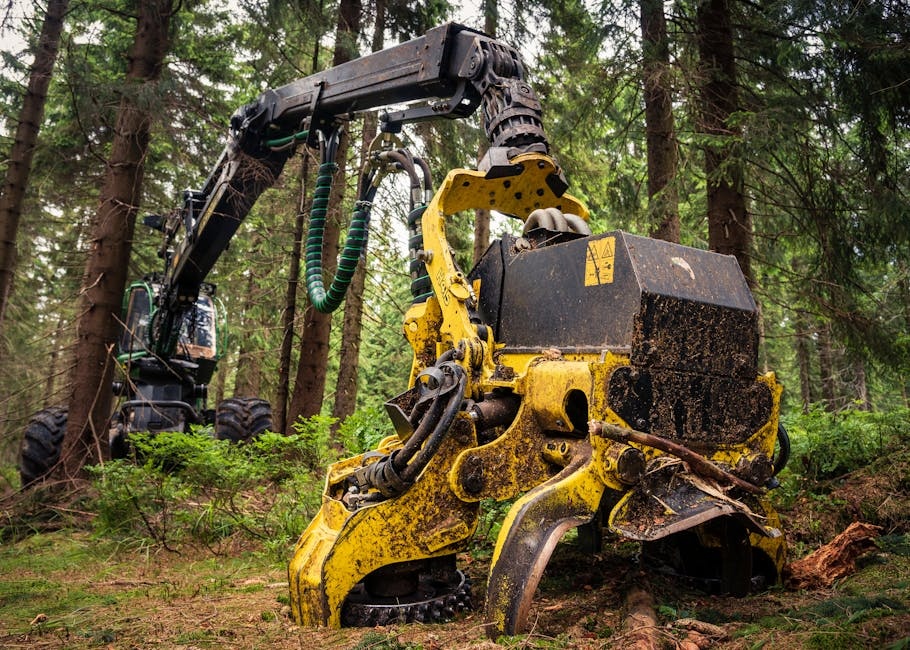
Experience shows that the best firms ask questions back. They want to know your aims, not just the tree. They suggest alternatives where removal is not necessary. They are happy to show insurance, training records, and, if requested, references. They leave a site tidy enough that the only sign of their presence is the missing tree and a neat grind.
Here is a concise comparison to help steer decisions where two quotes differ on method:
- Climbing dismantle vs MEWP: climbing is nimble and often cheaper. MEWP is safer on brittle or dead trees or where ascent is otherwise unsafe. MEWP requires access and adds hire cost but can speed the job. Full day vs half day: a half-day price may be viable for a single small tree with straightforward access. If the same work is quoted as a full day by another firm, check whether they include more complete clean-up or stump work. Chip removal vs chip left: chips left on site save money but require space and a use. If you do not want a pile, specify removal. Stump grinding optional vs included: grinding adds cost but enables replanting or paving. If aesthetics matter and trip hazards are a concern, include it. Traffic management included vs excluded: near roads, marshals, barriers, or permits might be needed. If they are not in the price, you could face surprises.
Timing, lead times, and the best season to act
There is a perennial question about the right season for tree work. Structurally, winter is often favourable because the crown is lighter without leaves and the ground is firmer in frost. Visibility in deciduous trees is excellent. For kerb appeal, pre-spring clean-ups align with listing a property for sale. That said, frozen mornings, short daylight, and nesting restrictions as spring advances complicate scheduling. Summer brings stable weather and long days, but dry lawns scuff more easily and some species bleed sap heavily if cut, such as birch and maple, in late winter through spring. Autumn is popular for tidy-ups ahead of winter storms.
Lead times fluctuate. After storms, reputable tree removal services near me will be inundated with reactive work. Routine jobs can be pushed back a fortnight or more. If you have a non-urgent removal in mind, booking ahead secures a slot and a better price than emergency call-outs.
A realistic step-by-step from first call to tidy garden
The path from search term to stump mulch is straightforward if staged well:
- Initial contact and aims: explain why you are considering tree removal. Share photos from different angles, including base, trunk, and the wider context. A short video walking around the tree helps. Site visit and assessment: the contractor inspects, discusses options, identifies legal constraints, and proposes methods. If TPO or Conservation Area controls apply, they outline the application process and timelines. Written quote and scope: you receive a detailed specification. Confirm what happens to waste, whether stump grinding is included, and what the finish will look like. Permissions and scheduling: if required, notices are served to the council. Once permissions arrive, you agree a date. The firm books any machinery and, if necessary, traffic management. Execution and aftercare: the crew carries out the work, cleans down, and advises on replanting or aftercare. If grinding has exposed soil, you may need a small top-up of topsoil and grass seed for a neat finish.
When a tree falls in a storm
Emergency tree removal is a different animal. A hung-up limb over a public footpath at 10 pm in heavy wind calls for an urgent, controlled response. The first priority is scene safety and exclusion. Power lines take precedence; if conductors are involved, keep clear and call the DNO. In the dark, it is easy to underestimate tension in fibres. Professionals use winches, controlled cuts, and artificial anchors to release loads safely. Home insurance often covers emergency making-safe, though full removal and tidy-up the next day may be an additional cost. If you find yourself typing tree removal near me in a storm, ask whether the firm offers a two-stage approach: immediate hazard reduction followed by clean-up when conditions improve.
After the tree is gone: planting with purpose
A cleared space is an opportunity. Replant with intent. Choose species for mature size, root behaviour, disease resilience, and wildlife value. The industry has learned hard lessons with ash dieback and the pressures on horse chestnut and elm. Diversity is your hedge against future pests and pathogens. Consider smaller trees that punch above their weight visually: Amelanchier lamarckii for spring blossom and autumn colour, Malus hupehensis for fruit and form, Acer griseum for bark interest, or a well-pruned multi-stem birch for lightness. If privacy is the goal, pleached hornbeam screens or a mixed native hedge provide structure without looming mass.
Planting technique matters as much as choice. Dig a square hole wider than the rootball, plant at the same depth as the nursery mark, and backfill with the excavated soil, not peat-rich compost that will sink. Install a single low stake and a flexible tie; high staking creates weak trunks. Mulch in a 1 m circle, 50 to 75 mm deep, keeping mulch off the trunk to avoid rot. Water deeply in dry spells for the first two summers. Your new tree will establish faster and, in a few years, will do the softening work the old one did without the issues that forced its removal.
Final perspective: balancing safety, aesthetics, and stewardship
Tree work sits at the junction of safety, property value, and ecological responsibility. If you are seeking tree felling near me because something feels wrong, trust that instinct and get a competent assessment. If the motivation is kerb appeal, consider reshaping first and removal second, then replant wisely. Use local, insured, and qualified tree removal services near me so that the work is done with care for your home and your street. The best outcome is a garden that feels more open, safer in heavy weather, and better balanced through the seasons, with a replacement planting plan that keeps green in the frame.
The quiet satisfaction at the end of a good removal is not the absence of a tree. It is the presence of light where it was missing, the removal of worry from your mind, and the knowledge that you have managed the space with an eye to the long term. That, more than anything, is what improves both kerb appeal and safety.
Tree Thyme - Tree Surgeons
Covering London | Surrey | Kent
020 8089 4080
[email protected]
www.treethyme.co.uk
Tree Thyme - Tree Surgeons provide expert arborist services throughout Croydon, South London, Surrey and Kent. Our experienced team specialise in tree cutting, pruning, felling, stump removal, and emergency tree work for both residential and commercial clients. With a focus on safety, precision, and environmental responsibility, Tree Thyme deliver professional tree care that keeps your property looking its best and your trees healthy all year round.
Service Areas: Croydon, Purley, Wallington, Sutton, Caterham, Coulsdon, Hooley, Banstead, Shirley, West Wickham, Selsdon, Sanderstead, Warlingham, Whyteleafe and across Surrey, London, and Kent.
Google Business Profile:
View on Google Search
About Tree Thyme on Google Maps
Knowledge Graph
Knowledge Graph Extended
Follow Tree Thyme:
Facebook |
Instagram |
YouTube

Visit @treethyme on Instagram
Professional Tree Surgeons covering South London, Surrey and Kent – Tree Thyme - Tree Surgeons provide reliable tree cutting, pruning, crown reduction, tree felling, stump grinding, and emergency storm damage services. Covering all surrounding areas of South London, we’re trusted arborists delivering safe, insured and affordable tree care for homeowners, landlords, and commercial properties.
❓
Q. How much does tree surgery cost in Croydon?
A. The cost of tree surgery in the UK can vary significantly based on the type of work required, the size of the tree, and its location. On average, you can expect to pay between £300 and £1,500 for services such as tree felling, pruning, or stump removal. For instance, the removal of a large oak tree may cost upwards of £1,000, while smaller jobs like trimming a conifer could be around £200. It's essential to choose a qualified arborist who adheres to local regulations and possesses the necessary experience, as this ensures both safety and compliance with the Wildlife and Countryside Act 1981. Always obtain quotes from multiple professionals and check their credentials to ensure you receive quality service.
❓
Q. How much do tree surgeons cost per day?
A. The cost of hiring a tree surgeon in Croydon, Surrey typically ranges from £200 to £500 per day, depending on the complexity of the work and the location. Factors such as the type of tree (e.g., oak, ash) and any specific regulations regarding tree preservation orders can also influence pricing. It's advisable to obtain quotes from several qualified professionals, ensuring they have the necessary certifications, such as NPTC (National Proficiency Tests Council) qualifications. Always check for reviews and ask for references to ensure you're hiring a trustworthy expert who can safely manage your trees.
❓
Q. Is it cheaper to cut or remove a tree?
A. In Croydon, the cost of cutting down a tree generally ranges from £300 to £1,500, depending on its size, species, and location. Removal, which includes stump grinding and disposal, can add an extra £100 to £600 to the total. For instance, felling a mature oak or sycamore may be more expensive due to its size and protected status under local regulations. It's essential to consult with a qualified arborist who understands the Tree Preservation Orders (TPOs) in your area, ensuring compliance with local laws while providing expert advice. Investing in professional tree services not only guarantees safety but also contributes to better long-term management of your garden's ecosystem.
❓
Q. Is it expensive to get trees removed?
A. The cost of tree removal in Croydon can vary significantly based on factors such as the tree species, size, and location. On average, you might expect to pay between £300 to £1,500, with larger species like oak or beech often costing more due to the complexity involved. It's essential to check local regulations, as certain trees may be protected under conservation laws, which could require you to obtain permission before removal. For best results, always hire a qualified arborist who can ensure the job is done safely and in compliance with local guidelines.
❓
Q. What qualifications should I look for in a tree surgeon in Croydon?
A. When looking for a tree surgeon in Croydon, ensure they hold relevant qualifications such as NPTC (National Proficiency Tests Council) certification in tree surgery and are a member of a recognised professional body like the Arboricultural Association. Experience with local species, such as oak and sycamore, is vital, as they require specific care and pruning methods. Additionally, check if they are familiar with local regulations concerning tree preservation orders (TPOs) in your area. Expect to pay between £400 to £1,000 for comprehensive tree surgery, depending on the job's complexity. Always ask for references and verify their insurance coverage to ensure trust and authoritativeness in their services.
❓
Q. When is the best time of year to hire a tree surgeon in Croydon?
A. The best time to hire a tree surgeon in Croydon is during late autumn to early spring, typically from November to March. This period is ideal as many trees are dormant, reducing the risk of stress and promoting healthier regrowth. For services such as pruning or felling, you can expect costs to range from £200 to £1,000, depending on the size and species of the tree, such as oak or sycamore, and the complexity of the job. Additionally, consider local regulations regarding tree preservation orders, which may affect your plans. Always choose a qualified and insured tree surgeon to ensure safe and effective work.
❓
Q. Are there any tree preservation orders in Croydon that I need to be aware of?
A. In Croydon, there are indeed Tree Preservation Orders (TPOs) that protect specific trees and woodlands, ensuring their conservation due to their importance to the local environment and community. To check if a tree on your property is covered by a TPO, you can contact Croydon Council or visit their website, where they provide a searchable map of designated trees. If you wish to carry out any work on a protected tree, you must apply for permission, which can take up to eight weeks. Failing to comply can result in fines of up to £20,000, so it’s crucial to be aware of these regulations for local species such as oak and silver birch. Always consult with a qualified arborist for guidance on tree management within these legal frameworks.
❓
Q. What safety measures do tree surgeons take while working?
A. Tree surgeons in Croydon, Surrey adhere to strict safety measures to protect themselves and the public while working. They typically wear personal protective equipment (PPE) including helmets, eye protection, gloves, and chainsaw trousers, which can cost around £50 to £150. Additionally, they follow proper risk assessment protocols and ensure that they have suitable equipment for local tree species, such as oak or sycamore, to minimise hazards. Compliance with the Health and Safety at Work Act 1974 and local council regulations is crucial, ensuring that all work is conducted safely and responsibly. Always choose a qualified tree surgeon who holds relevant certifications, such as NPTC, to guarantee their expertise and adherence to safety standards.
❓
Q. Can I prune my own trees, or should I always hire a professional?
A. Pruning your own trees can be a rewarding task if you have the right knowledge and tools, particularly for smaller species like apple or cherry trees. However, for larger or more complex trees, such as oaks or sycamores, it's wise to hire a professional arborist, which typically costs between £200 and £500 depending on the job size. In the UK, it's crucial to be aware of local regulations, especially if your trees are protected by a Tree Preservation Order (TPO), which requires permission before any work is undertaken. If you're unsure, consulting with a certified tree surgeon Croydon, such as Tree Thyme, can ensure both the health of your trees and compliance with local laws.
❓
Q. What types of trees are commonly removed by tree surgeons in Croydon?
A. In Croydon, tree surgeons commonly remove species such as sycamores, and conifers, particularly when they pose risks to property or public safety. The removal process typically involves assessing the tree's health and location, with costs ranging from £300 to £1,500 depending on size and complexity. It's essential to note that tree preservation orders may apply to certain trees, so consulting with a professional for guidance on local regulations is advisable. Engaging a qualified tree surgeon ensures safe removal and compliance with legal requirements, reinforcing trust in the services provided.
Local Area Information for Croydon, Surrey